The Best Places to Take Photos in Fethiye
September 29, 2026

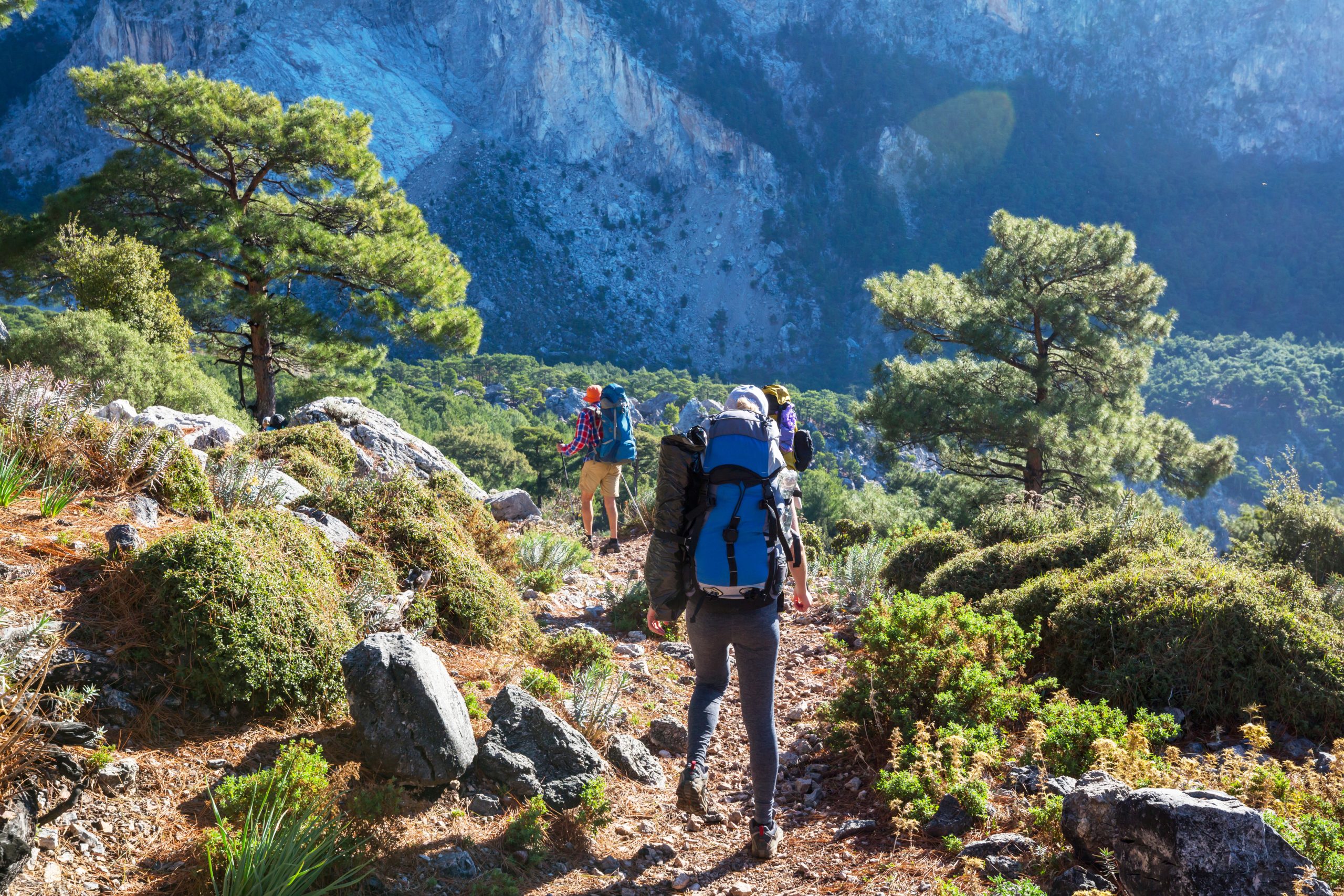
The Lycian Way is one of the most distinctive long-distance hiking routes in Türkiye, combining Mediterranean scenery, forested mountains, ancient ruins and traditional rural landscapes. The trail officially begins in Ölüdeniz near Fethiye and continues for approximately 540 kilometres towards Geyikbayırı near Antalya. While completing the entire route requires a significant commitment, travellers staying in Fethiye do not need to walk the entire trail to experience its character. The Fethiye and Ölüdeniz sections provide opportunities for shorter walks and day hikes, with landscapes that combine sea views, mountain paths, villages and historic sites.
For travellers searching for hiking in Fethiye, the Lycian Way offers a way to experience the region beyond its beaches. Different sections have different terrain and conditions, so choosing a route according to personal walking experience, weather and available time is an important part of planning a day outdoors.
The Lycian Way follows historic paths across the Teke Peninsula, the region historically associated with Lycia. The route connects Fethiye in Muğla with Antalya and passes through landscapes shaped by both nature and ancient settlement.
According to GoTürkiye, the route is approximately 540 kilometres long and begins at Ölüdeniz before continuing towards Antalya. It is Türkiye’s first long-distance marked walking route.
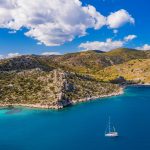
The trail generally follows a combination of old paths, Roman roads and mule tracks. Along the way, hikers can encounter Mediterranean coastline, pine forests, mountain landscapes, traditional settlements and ancient archaeological sites.
This combination is what makes the route particularly interesting. A walk can become more than a physical journey: the surrounding landscape provides a glimpse into the history and geography of the Lycian region.
The official starting point of the Lycian Way is in Ölüdeniz. This makes the Fethiye area a natural base for travellers who want to experience the route without committing to a multi-week trek.
The beginning of the trail provides views of the Mediterranean landscape around Ölüdeniz and connects with the wider network of paths leading towards places such as Kayaköy, Butterfly Valley, Kabak and further along the coast.
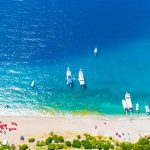
Ölüdeniz itself is approximately 24 kilometres from Fethiye and is known for its lagoon, turquoise waters and mountainous surroundings.
For visitors staying in the region, this means that Lycian Way hiking can be incorporated into a wider holiday rather than treated as a separate expedition.
One of the most useful aspects of the Lycian Way around Fethiye is that travellers can experience sections of the route rather than attempting the entire trail.
The Ministry of Culture and Tourism notes that the route includes day-hiking sections with different levels of difficulty.
This makes it possible to choose a walking experience according to the time available and the type of landscape you would like to see.
The area around Ölüdeniz provides one of the most accessible ways to connect with the atmosphere of the Lycian Way. The landscape combines Mediterranean vegetation, mountain views and the distinctive coastline of the region.
For travellers who want a shorter outdoor experience, exploring sections around the beginning of the route can be a way to experience the trail without planning a long-distance trek.
The terrain can still include uneven surfaces, inclines and exposed sections, so suitable footwear and awareness of current weather conditions are important.
Kayaköy adds a cultural dimension to walking around Fethiye. The historic settlement is located among hills and is known for its abandoned stone houses and quiet atmosphere.
The connection between the walking routes and historic settlements is one of the defining features of the Lycian Way. Rather than separating nature and sightseeing, the route brings the two together.
A walk involving the Kayaköy area can therefore appeal to travellers who enjoy combining Fethiye hiking trails with cultural exploration.
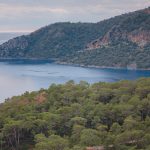
The Lycian Way continues through landscapes associated with Butterfly Valley and the surrounding coastal region. Steep cliffs, Mediterranean vegetation and views towards the sea create some of the most distinctive scenery around the Fethiye section of the trail.
Butterfly Valley is a protected natural area and is known for its biodiversity. The valley is also associated with more challenging terrain in the surrounding walking landscape, so travellers should consider current route conditions and their own experience before choosing a particular section.
Further along the route, the landscape around Kabak introduces a combination of forest, mountain slopes and coastal views.
The transition from the developed areas around Ölüdeniz towards quieter rural landscapes is one of the attractions of this part of the Lycian Way. Hikers can experience a more secluded atmosphere while still remaining within the wider Fethiye region.
Because sections of the route can become more demanding, planning the distance, return arrangements and weather conditions is important.
The phrase “every level” should not be understood as meaning that every section is suitable for every walker. The Lycian Way includes a variety of terrain, and official tourism information describes the overall route as moderately strenuous to difficult, while noting that easier sections are found closer to Fethiye and Ölüdeniz.
For beginners, a shorter section with a clear return plan may be more appropriate than a long point-to-point walk. Travellers with more walking experience may prefer longer sections that combine greater elevation changes with more remote scenery.
The important consideration is to select the route itself rather than judging the entire Lycian Way as one uniform trail.
Preparation is an important part of any Fethiye trekking experience. Even shorter walks can involve uneven ground, changing elevation and limited facilities.
Comfortable hiking footwear is useful, particularly on rocky or uneven sections. Depending on the season, sun protection, sufficient drinking water and appropriate clothing can also be important.
A charged phone, offline maps or another reliable navigation method can be useful when walking away from developed areas. It is also sensible to check weather forecasts and local trail information before setting out.
The amount of preparation should reflect the route. A short walk close to developed areas requires a different level of planning from a longer remote section.
The Lycian Way can be experienced during different seasons, but weather conditions strongly influence the walking experience. GoTürkiye highlights spring as a particularly suitable period for trekking, while another official tourism source notes that spring and autumn are generally preferred for the route.
Spring can bring greener landscapes and comfortable daytime temperatures, while autumn offers a different atmosphere as the summer heat decreases.
Summer can be considerably warmer, particularly on exposed sections. For this reason, travellers planning outdoor walks during warmer months should take the local weather and the characteristics of their chosen route into account.
One of the defining characteristics of the route is its relationship with ancient Lycian heritage. Depending on the section, walkers can encounter archaeological sites and historic landscapes connected with places such as Letoon, Xanthos, Patara, Olympos and Phaselis.
The Fethiye section also connects with the historical landscape around Telmessos and Tlos. This combination of archaeology and nature gives the trail a different character from a conventional mountain hiking route.
Instead of visiting ancient ruins separately from the natural landscape, travellers can encounter historic sites as part of a wider journey through the region.
The Lycian Way passes through natural environments, villages and historically significant areas. Responsible travel is therefore an important part of enjoying the route.
Staying on marked paths where appropriate, taking rubbish with you and respecting local communities help preserve the landscape for future visitors. In protected natural areas, additional local rules may apply.
It is also worth remembering that rural sections may have limited services. Planning transport and return arrangements in advance can make the experience more comfortable.
A walk along the Lycian Way does not have to be about covering a large distance. For many visitors, the appeal lies in slowing down and experiencing the landscape on foot.
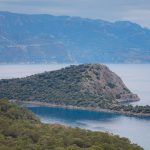
The route offers changing perspectives of the Mediterranean, from coastal views to pine-covered hills and historic settlements. A shorter walk can therefore become a meaningful part of a wider Fethiye holiday without taking over the entire itinerary.
For guests staying in Ölüdeniz, this creates a natural balance between outdoor exploration and time spent relaxing by the coast.
A comfortable base can make it easier to combine walking with relaxation during a Fethiye holiday. Orka Sunlife Resort Hotel & Aquapark is located in the Ölüdeniz area, surrounded by the landscape of Babadağ and the Mediterranean coast. The resort offers an Ultra All Inclusive concept together with facilities for leisure and relaxation.
For travellers comparing Fethiye hotels for a holiday that includes hiking, nature and time by the sea, Orka Sunlife offers a comfortable setting from which to explore the surrounding region and return to a relaxed resort environment afterwards.
The Lycian Way officially begins in Ölüdeniz in the Fethiye area and continues towards Antalya.
The full route is approximately 540 kilometres according to GoTürkiye, although published figures can vary slightly depending on route descriptions and mapping.
Yes. The route includes sections that can be experienced as day walks, and official tourism information describes different sections with varying levels of difficulty.
Suitable footwear, drinking water, sun protection, weather-appropriate clothing and a reliable navigation method are useful starting points. The exact equipment should reflect the length and terrain of the chosen route.
Spring and autumn are commonly highlighted as suitable periods for walking the route, while weather conditions should always be considered before setting out.