Trekking the Lycian Way Near Fethiye: Routes for Every Level
September 29, 2026

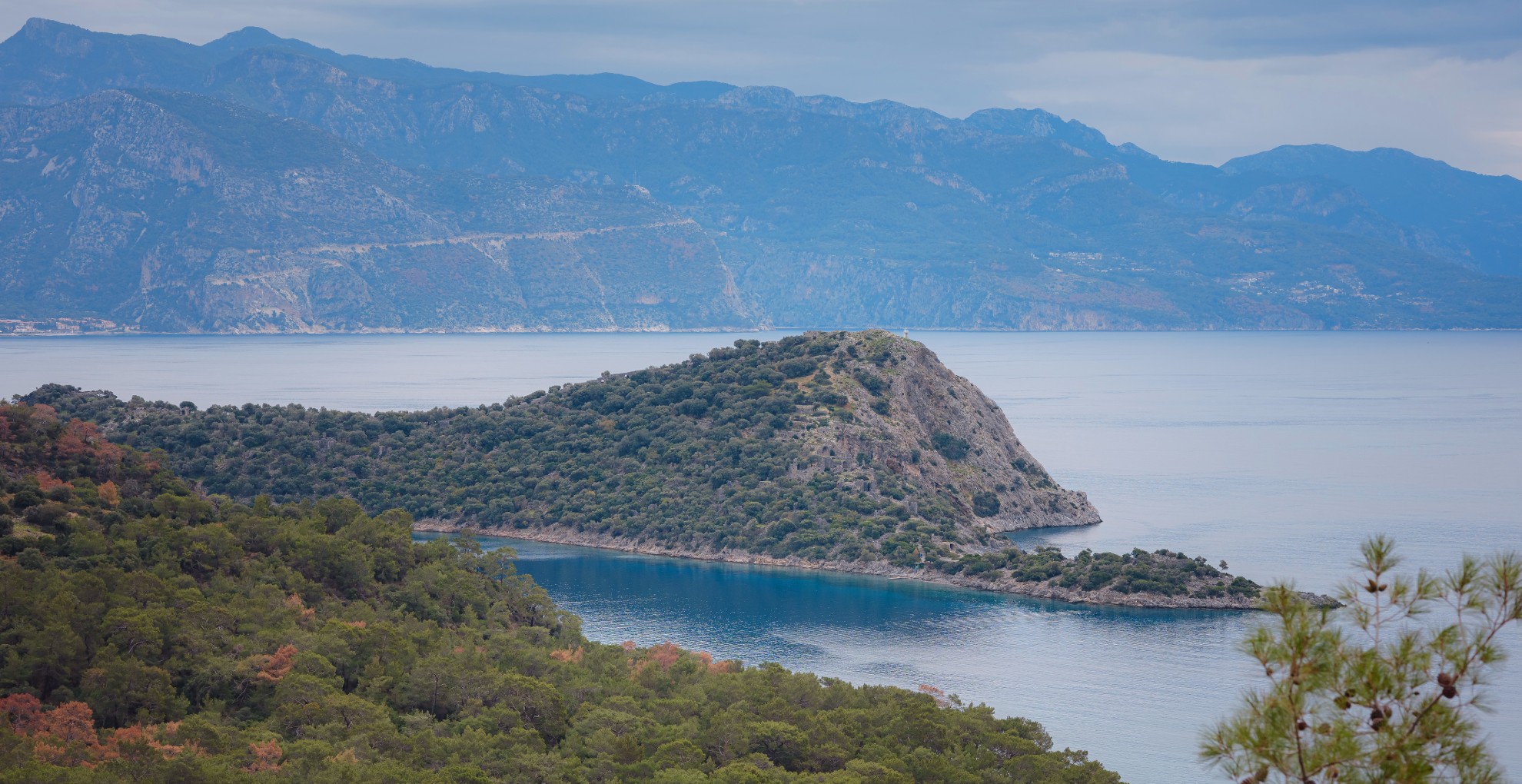
Fethiye is a destination made for photography, with turquoise bays, pine-covered mountains, ancient ruins and Mediterranean sunsets all within easy reach. Whether you use a professional camera or your phone, the region offers plenty of opportunities to capture landscapes, historic sites and everyday moments.
The best places to take photos in Fethiye range from famous viewpoints to quieter corners of the town. By combining coastal scenery, historical locations and natural landscapes, you can create a varied collection of holiday photographs.
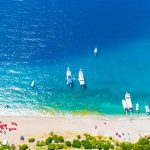
Ölüdeniz is the natural starting point for anyone looking for Fethiye photography spots. The famous lagoon combines turquoise water, a sandy shoreline and green mountain slopes, creating one of the most recognisable landscapes on the Turkish Riviera.
Try photographing the lagoon from different perspectives rather than relying on a single viewpoint. From the beach, you can focus on the colours of the water, while a higher viewpoint can show the distinctive shape of the lagoon.
Adding rocks, vegetation or part of the hillside to the foreground can give a landscape photograph more depth. Ölüdeniz is also associated with paragliding from Babadağ, so a paraglider crossing the sky can add movement and scale to your photographs.
Babadağ offers a completely different perspective. Rising to almost 2,000 metres, the mountain provides expansive views over Ölüdeniz and the surrounding coastline.
The elevated setting is ideal for wide landscape photographs. Instead of filling the entire frame with distant scenery, include a foreground element such as a rock or tree to create a stronger sense of depth.
Weather can also change the character of the view. Clear conditions offer sharp, expansive panoramas, while light cloud can create a softer atmosphere. If you are visiting higher elevations, remember that conditions can be different from those at sea level.
Kayaköy provides a striking contrast to Fethiye’s beaches. The historic hillside settlement is characterised by stone houses and former religious buildings surrounded by vegetation.
For travellers looking for things to do in Fethiye, Kayaköy combines sightseeing with plenty of photographic opportunities. Look for repeating shapes in windows, walls and stairways, or use paths as leading lines through the frame.
Close-up photographs can highlight the texture of the stone, while wider images show the relationship between the historic buildings and the surrounding landscape. As the site contains historic structures, avoid climbing unstable walls or entering restricted areas.
Fethiye’s photographic appeal is not limited to natural scenery. The Amyntas Rock Tomb provides an opportunity to capture the area’s ancient Lycian heritage.
Carved into a steep rock face, the tomb dates from the 4th century BCE and features a distinctive temple-like façade. Architectural details can make interesting close-up subjects, while wider compositions can show the tomb within the rocky landscape.
Including elements of the surrounding area can also help communicate the scale of the monument and create a visual connection between ancient history and modern Fethiye.
Çalış Beach is a popular choice for photographers looking for warm evening colours. The long shoreline facing the bay provides a natural setting for sunset photography.
You do not need specialist equipment to capture the changing colours of the sky. With a phone, try experimenting with exposure and avoid automatically placing the sun in the centre of the frame.
Silhouettes of people walking along the shore, boats on the horizon and reflections on wet sand can add interest to the composition. The minutes immediately after sunset can also produce attractive blue tones.
Butterfly Valley combines steep cliffs, lush vegetation and the Mediterranean Sea. Its distinctive landscape makes it one of the most interesting natural settings around Fethiye.
Rather than looking for one perfect shot, try creating images with several layers. Vegetation in the foreground, cliffs in the middle distance and the sea or sky behind them can create a strong sense of depth.
The protected natural environment should always be treated respectfully. Avoid disturbing wildlife or damaging vegetation for the sake of a photograph.
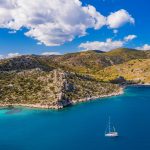
Gemile Island offers another opportunity to combine natural scenery with history. The island is home to archaeological remains, including church ruins and mosaics, surrounded by the Mediterranean.
From a boat, the island can be photographed as part of a wide seascape. Closer views allow you to focus on stonework and architectural details.
A boat trip also gives photographers constantly changing perspectives, so keeping your camera ready can help you capture the coastline from different angles.
Some of the most memorable holiday photographs do not feature famous landmarks. Fethiye town offers plenty of opportunities for street photography, with cafés, shops, traditional streets, colourful doors and architectural details.
Paspatur is particularly suitable for a relaxed photographic walk. Rather than searching for a single iconic image, pay attention to colours, textures and everyday scenes. These smaller details can give your holiday album a stronger sense of place.
Light can completely change the appearance of a location. Morning light is generally softer and can offer a quieter atmosphere, particularly at popular coastal spots.
At midday, stronger sunlight creates sharper contrasts and deeper shadows. This can work well for architecture but may be more challenging for portraits.
Late afternoon brings warmer tones, while the period just after sunset can produce cool blue colours. Returning to a location at a different time of day can therefore give you a completely different photograph.
You can easily combine several photographic styles during a holiday. Start in Fethiye town for street scenes and ancient heritage, continue to Kayaköy for historic architecture, and explore Ölüdeniz and Babadağ for coastal and mountain views.
A separate boat trip can add islands, bays and sea views to your collection. This variety is one of the reasons Fethiye holidays appeal to travellers who want more than a traditional beach break.
Orka Sunlife Resort Hotel & Aquapark is located in Hisarönü, close to Ölüdeniz, making it a convenient base for exploring the area’s coastline, mountains and historic sites.
Whether photography is the main purpose of your trip or simply part of your holiday, Fethiye offers plenty of scenery to discover. Explore the region at your own pace and find suitable Fethiye hotels with Orka Sunlife.
Yes. Modern smartphones can produce high-quality travel photographs, particularly in good lighting. Composition and timing often have a greater impact than expensive equipment.
Photography is generally possible at many sites, but visitors should follow the rules displayed at each location and avoid restricted areas.
A fully charged phone or camera, a power bank, water and comfortable shoes are useful. Additional equipment depends on the type of route you plan to take.
Yes. The constantly changing perspective makes boat trips particularly useful for photographing coastlines, islands and bays.
Arriving before sunset gives you time to choose a good viewpoint. The period immediately after sunset can also provide attractive colours and softer light.