Trekking the Lycian Way Near Fethiye: Routes for Every Level
September 29, 2026

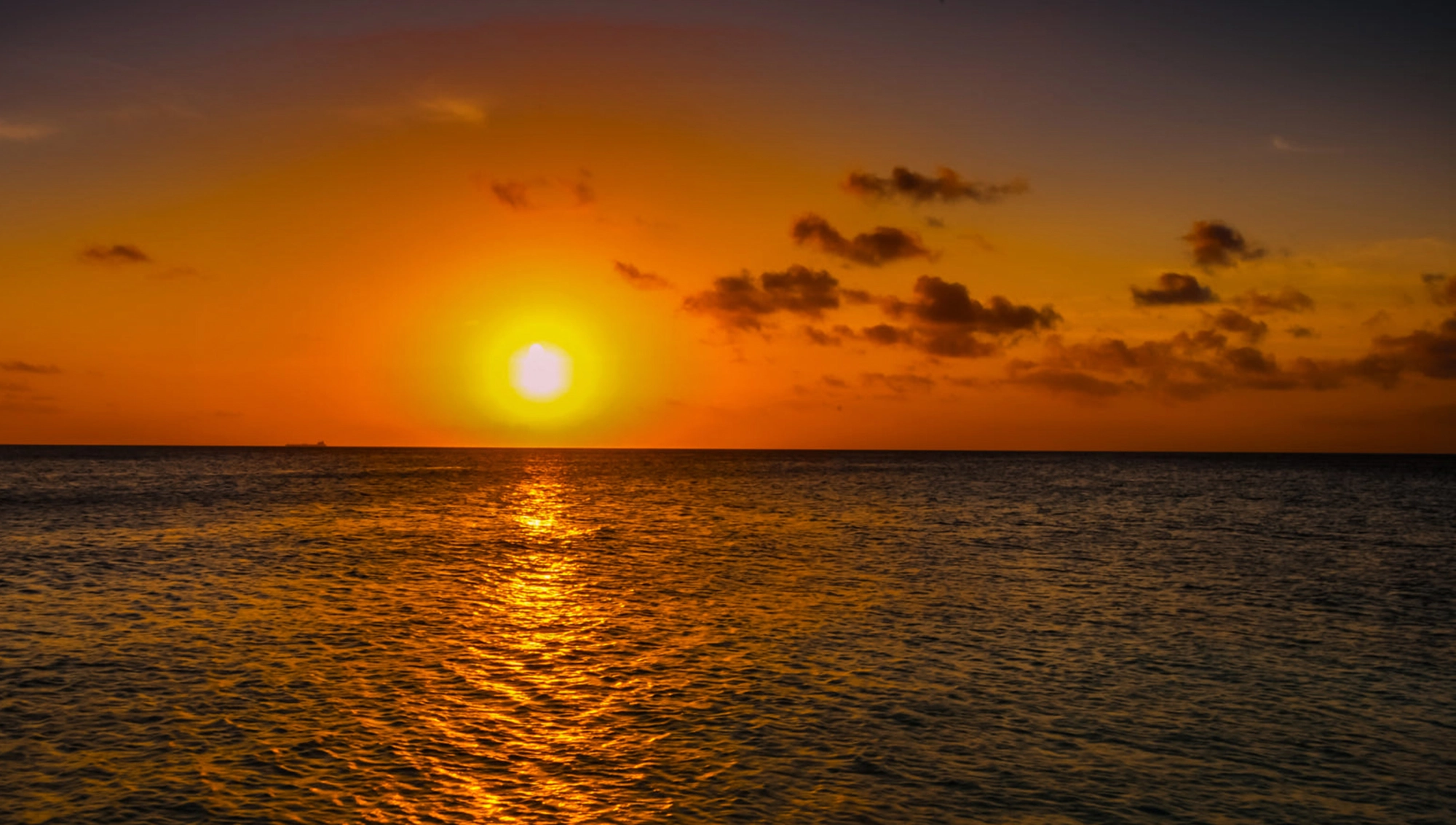
The finest sunset viewpoints in Fethiye include Kayaköy ghost village, the Fethiye castle ruins, the waterfront promenade near the marina, Butterfly Valley’s clifftops, and the elevated terraces above Ölüdeniz — each offering a distinct perspective on the Mediterranean light as it leaves the sky.
Light is what makes a landscape memorable. Fethiye understands this without needing to be told.
The bay faces west. The Taurus Mountains rise to the east and north, creating a natural amphitheatre that compresses the evening light into something almost theatrical. As the sun moves toward the horizon, the water shifts colour in sequence — aquamarine to cobalt to a deep, burnished gold that holds for a few minutes before the hills absorb what remains.
This is a coastline built for the end of the day. The air cools gradually, the crowds thin, and the pace of the town slows to meet the light. Each of Fethiye’s viewpoints offers a different relationship with that moment — some solitary, some social, some requiring effort, some simply asking you to sit still. Here are the places that make the most of it.
The Fethiye castle sits on a hill directly above the town, accessible by a short but steep walk from the old quarter. The ruins are modest — fragmentary walls and scattered stonework — but the elevation is generous, and the view encompasses the full breadth of the bay.
From here, the sunset reads as a landscape event. The islands of the Fethiye archipelago interrupt the horizon in dark silhouette. The marina lights begin to surface as the sky drops. There is no organised viewing infrastructure, which is part of the appeal: no speakers, no crowds, no performance. Just the light doing what it has always done over this particular piece of water.
The walk up takes approximately fifteen minutes from the town centre. The path is marked but uneven in sections — flat shoes rather than sandals are advisable. Going early enough to claim one of the flat stones near the upper wall is worth the effort; that position, facing due west, is where the full descent of the sun is visible without obstruction. In summer months, a handful of other visitors will share the space, but rarely enough to crowd it.
Kayaköy is one of the most unusual places in the Fethiye region. A former Greek Orthodox settlement, abandoned in the 1923 population exchange between Greece and Türkiye, its stone houses and two churches remain largely intact — roofless, doorless, and returned to the hillside with quiet dignity.
At sunset, the light enters the ruins from the west in long, directional shafts. The pale stone warms, the shadows lengthen, and the village — which can feel simply historical in the midday heat — becomes genuinely atmospheric. The surrounding pine hills hold the heat of the day, and the silence is close to complete.
Kayaköy sits approximately eight kilometres from Fethiye town, accessible by dolmuş or car. Arriving an hour before sunset allows time to walk the upper sections of the village before the light peaks. The upper church, reached by a path that climbs through the densest cluster of houses, provides an elevated position from which both the village below and the valley beyond are visible simultaneously. The texture of the stone at this hour — warm, almost amber — is unlike anything the same walls offer at midday. This is a place that repays patience.
Ölüdeniz at sunset is a study in colour saturation. The lagoon, already vivid during the day, holds the late light differently — the water surface reflecting gold and pale orange in long, shifting bands.
The main beach remains open and accessible into the evening. The most effective sunset position is the sand spit that separates the lagoon from the open sea, where the view opens in two directions simultaneously. To the west, the sun descends over the open Aegean. To the east, Babadağ Mountain takes on the last of the warmth.
This is not a solitary experience — Ölüdeniz draws significant visitor numbers — but the scale of the landscape absorbs the crowd without diminishing the moment. The lagoon’s protected status means that motorised boats are absent from the inner water at this hour, and the surface stays undisturbed. Paragliders from Babadağ occasionally trace slow arcs through the late sky, their colours catching the low sun as they descend toward the beach. It is a specific, layered spectacle — one that belongs to this place and no other.
Butterfly Valley is accessible by boat from Ölüdeniz or by a demanding footpath from the road above. The valley floor — a narrow gorge opening directly onto the sea — offers a dramatic sunset framing, with the cliffs on either side reducing the visible sky to a long, vertical strip of colour above the water.
The clifftop path, reached from the road, provides an alternative perspective: wide, elevated, and overlooking both the valley and the coastline stretching north toward Fethiye. This vantage point is less visited than the valley floor and rewards the effort of finding it.
Those who make the clifftop walk in the final hour of daylight will find the light striking the valley walls from an angle that the valley floor cannot replicate. The ochre and grey limestone catches the warmth in bands of colour that shift visibly as the sun drops. Below, the small beach at the valley’s mouth turns briefly golden before the cliffs shade it entirely. The contrast between the illuminated sea beyond and the darkening gorge beneath is one of the more quietly dramatic natural moments the Fethiye coastline offers.
The Fethiye marina promenade is the most accessible and social sunset location in the area. Restaurants, cafés, and bars line the waterfront, most with outdoor terracing that faces the bay directly. The moored gulets — traditional wooden sailing vessels — frame the view from the water’s edge.
This is a sunset experience of a different register: accompanied by conversation, the smell of grilled fish, and the gradual transition from afternoon quiet to evening activity. The light is the same sky. The experience of it is entirely different.
For those who want to combine a sunset with dinner, the marina strips between the main harbour and Paspatur market offer the widest selection of restaurants with reliable sea-facing orientation. The reflection of the evening sky on the still harbour water doubles the visual effect, and as the light fades, the string lights of the restaurant terraces and the navigation lights of the anchored boats begin to take over. The handover between natural and artificial light happens slowly here, and both are worth watching. A cold drink, a table facing west, and no particular schedule — that is the correct equipment for the marina at this hour.
The hillside residential areas above Fethiye town — accessible by road or by a longer walk through the old town — hold several informal viewpoints where the full bay is visible without obstruction. These are not signposted attractions but open ground and roadside terraces that locals use precisely because they offer space and quiet.
The view from these elevated positions differs from the marina in one significant way: the scale. The entire arc of the Fethiye bay, from the islands in the south to the peninsula in the north, is visible simultaneously. The settlement below reads as a thin strip between the mountains and the water. At sunset, the proportion feels correct — the landscape large, the human presence modest within it.
The Lycian rock tombs, carved into the cliff face above the town, are visible from several of these elevated terraces and take on particular weight at dusk. The monumental façades, cut directly into the living rock over two thousand years ago, hold the last light on their carved pediments long after the streets below have moved into shadow. This combination — ancient stone, departing light, wide water — is the particular signature of Fethiye at the end of the day.
Sunset-watching is not a single occasion in Fethiye. The light is different each evening, shaped by cloud, wind, and season, and the best response is repetition.
Orka Sunlife Resort Hotel and Aquapark, positioned within the Fethiye bay, offers guests direct access to the region’s most celebrated viewpoints while providing the kind of base — comfortable, unhurried, well-considered — that makes evening returns feel natural rather than effortful. The hotel’s location places Kayaköy, the castle ruins, Ölüdeniz, and the marina within easy reach, so no single evening need look like another. Guests can choose solitude or company, effort or ease, elevation or water level, and find a different quality of light each time. Among Fethiye hotels with genuine integration into the landscape’s rhythm, Orka Sunlife Resort Hotel and Aquapark is designed for those who understand that the end of the day here is worth being present for.